

If you’ve started getting quotes for a new roof, you’ve probably noticed something frustrating: the numbers are all over the place. One contractor says $8,000. Another says $14,000. A third comes in at $6,500 and you’re not sure if that’s a deal or a warning sign.
The roof replacement cost in Milwaukee depends on several factors, and understanding them is the difference between making a confident decision and hoping for the best. Here’s what actually drives the price and how to make sure you’re spending wisely.
What Milwaukee Homeowners Actually Pay
The average Milwaukee home has roughly 1,500 square feet of roof area (that’s about 15 roofing squares once you factor in pitch). For a straightforward residential roof replacement, here’s what you can expect by material:
Asphalt shingles (3-tab): $4,100 to $6,400 for a typical home. These are the most budget-friendly option, but they’re being phased out by manufacturers. Their lifespan tops out around 15 to 20 years, which is a tough sell in a climate like ours.
Architectural shingles: $7,500 to $11,500 for a typical home. This is what most Milwaukee homeowners choose today. They’re more durable (25 to 30 years), hold up better against Wisconsin weather, and come with stronger warranty options. If you’re getting quotes, odds are this is what contractors are pricing.
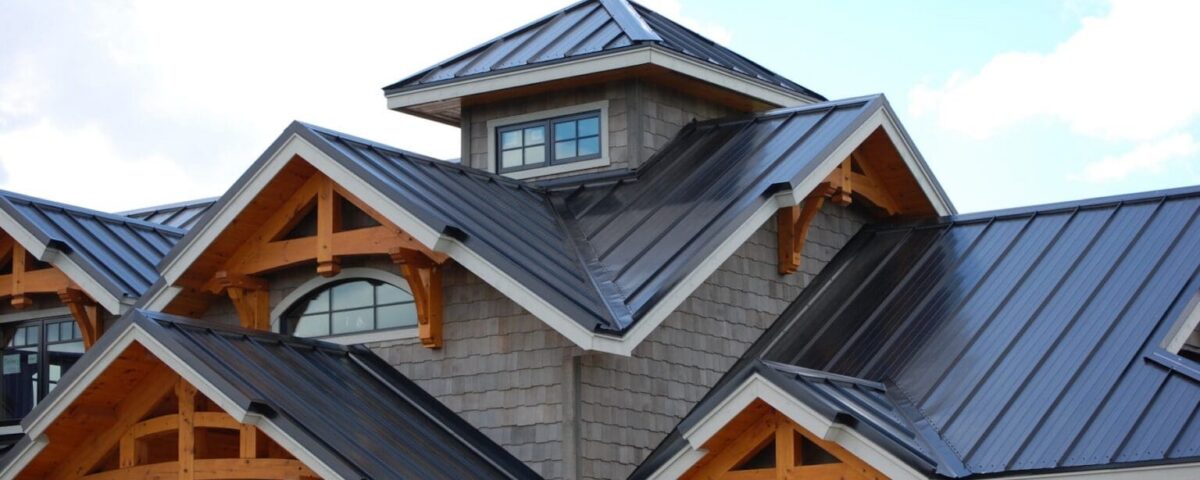
Standing seam metal: $15,000 to $25,500 for a typical home. Metal roofs last 40 to 70 years and handle heavy snow loads well. The upfront cost is higher, but the math works out over the long haul if you plan to stay in your home.
These ranges assume a single-layer tear-off, standard pitch, and no major decking repair. Your number could be higher or lower depending on the specifics of your roof.
What Drives the Price Up (or Down)
Not all roofs are created equal, and Milwaukee’s climate adds a few line items you won’t find in a generic cost guide.
Roof size and pitch. A steeper roof takes longer to work on and requires more safety equipment. A complex layout with dormers, valleys, and multiple angles adds labor hours.
Tear-off vs. overlay. Wisconsin allows a maximum of two layers of shingles. If you already have two layers, a full tear-off is required by code. Even with one existing layer, most reputable contractors recommend tearing it off to inspect the decking underneath. Tear-off and disposal typically runs $1,000 to $3,000.
Decking repair. Once the old shingles come off, the crew can see the condition of the plywood underneath. Rotted or damaged decking needs to be replaced before anything new goes on. This can add $1,000 to several thousand dollars depending on how much needs replacing.
Ice and water shield. Wisconsin building code (SPS 321.28) requires ice dam protection on eaves, and good Milwaukee contractors install it regardless of pitch. This is non-negotiable in our climate, where ice dams are a real threat to roof integrity.
Ventilation. Proper attic ventilation prevents moisture buildup, ice dams, and premature shingle failure. If your current ventilation is inadequate, adding ridge vents and soffit vents during replacement is smart. Bundled with the job, it runs $600 to $1,500, significantly less than adding it later.
Permits. Milwaukee requires permits for full roof replacements. Budget $150 to $400 depending on the scope. If a contractor doesn’t mention permits, that’s a problem (more on that below).
Seasonal timing. Summer is peak roofing season in Milwaukee. Contractors are booked out and prices reflect it. Fall, specifically September and October, is the sweet spot: weather is still favorable, and pricing is typically 10 to 15 percent lower. If your roof can wait, the fall schedule works in your favor.
Why Your Three Quotes Look Nothing Alike
A $5,000 or more spread between quotes is normal, and it doesn’t necessarily mean someone is overcharging. The real question is whether you’re comparing the same scope of work.
The most common reason quotes differ is that they don’t include the same things. One contractor prices in new drip edge, pipe boot replacement, ventilation upgrades, and a 25-year workmanship warranty. Another quotes only the shingles and labor. On paper, the second quote looks cheaper. In practice, you’re going to pay for those extras one way or another.
Material quality tiers matter too. Builder-grade shingles and premium architectural shingles look the same in a one-line estimate, but they perform very differently over 20 Wisconsin winters. Ask each contractor what specific product they’re quoting.
Labor rates reflect real differences in crew quality, licensing, insurance coverage, and overhead. A fully insured contractor with workers’ compensation coverage, a warranty program, and proper licensing has higher operating costs than someone running a crew out of a pickup truck. Those costs protect you.
When comparing quotes, line them up side by side. Make sure each one accounts for tear-off, disposal, underlayment, ice and water shield, drip edge, flashing, ventilation, cleanup, permits, and warranty. If a quote doesn’t break these out, ask for a detailed version.
Red Flags That Should Make You Walk Away
Not every low quote is a scam, but certain patterns should put you on alert.
No line-item breakdown. If the estimate just says “Roof Replacement” followed by a number, you have no way to know what you’re getting. A professional estimate details every component, material, and labor charge.
No mention of permits. Milwaukee requires them. Skipping them puts you at risk of code violations that can complicate insurance claims and future home sales.
The bid is dramatically lower than everyone else. The cheapest quote usually means something was left out: underlayment, proper flashing, ventilation, or a real warranty. Low bids often become expensive surprises once work starts.
High-pressure tactics. “Sign today or the price goes up” is a classic move from storm-chasing contractors who aren’t planning to be around when something goes wrong. Legitimate companies give you time to decide.
No proof of insurance. If a contractor can’t produce certificates for general liability and workers’ compensation, you could be held liable for injuries on your property. Ask for certificates and verify them.
Satellite-only estimates. If nobody climbed on your roof or checked your attic, they’re guessing at decking condition, existing layers, and ventilation needs. A proper estimate starts with a hands-on inspection.
How to Get the Most Value from Your Roof Replacement
A new roof is one of the bigger investments you’ll make as a homeowner. A few decisions can make the difference between money well spent and money wasted.
Check your insurance policy before you need it. Understand whether you have Actual Cash Value (ACV) or Replacement Cost Value (RCV) coverage. ACV deducts depreciation, which means a 15-year-old roof might only be covered at 30 percent of replacement cost. RCV pays to replace at today’s prices. Review your deductible structure too. Percentage-based deductibles (like 2 percent of your home’s value) can mean $6,000 to $8,000 out of pocket before insurance covers anything.
Get three to five quotes from licensed, insured contractors. This gives you enough data points to compare scope, identify outliers, and understand what a fair price looks like in your neighborhood.
Don’t skip ventilation. A new roof with poor attic ventilation is working against itself from day one. In Milwaukee, that means moisture problems, ice dams, and shingles that wear out years ahead of schedule. Addressing ventilation during replacement is far cheaper than doing it separately later.
Consider timing. If your roof isn’t leaking and you have a few months of flexibility, scheduling for early fall can save you real money. You’ll also have an easier time getting on the calendar with the contractor you actually want.
Explore financing options if needed. A roof replacement doesn’t have to be a single lump-sum expense. Financing lets you move forward with quality materials and workmanship without compromising because of upfront cost pressure.
What About Insurance Claims?
If your roof was damaged by a storm, the replacement process looks a little different. Your insurance policy, not the contractor’s estimate, determines your initial reimbursement.
The key thing to understand is how your policy handles roof claims. ACV policies depreciate based on roof age, which can leave a significant gap between what insurance pays and what the work costs. RCV policies cover full replacement cost, though you may need to pay the difference upfront and submit for recoverable depreciation after the work is completed.
Insurance estimates also tend to miss line items like overhead and profit margins, underlayment upgrades, or code-required additions like ice and water shield. Your contractor’s estimate should supplement the insurance check, not just match it.
For a detailed walkthrough of the claims process, we put together a complete guide to filing roof damage insurance claims that covers each step from inspection to final payment.
One important note: any contractor who offers to pay your deductible is committing insurance fraud. Walk away from that conversation.
The Bottom Line
Most Milwaukee homeowners pay between $7,500 and $15,000 for a roof replacement with architectural shingles. Your number depends on roof size, material choice, the condition of what’s underneath, and the contractor you choose.
The smartest thing you can do is understand what’s in each quote before you compare prices. A slightly higher number from a licensed, insured contractor who details every line item, pulls permits, and backs the work with a real warranty is a better investment than a bargain that leaves you calling someone else in five years.
If you’re planning a roof replacement or just want to know where you stand, give us a call at 414-426-7885 for a free estimate. We’ll get on your roof, inspect everything, and give you a straightforward number with no surprises. You can also build your roof online to start exploring material options before we come out.